Why Heart Attacks Increasing in Young Indians
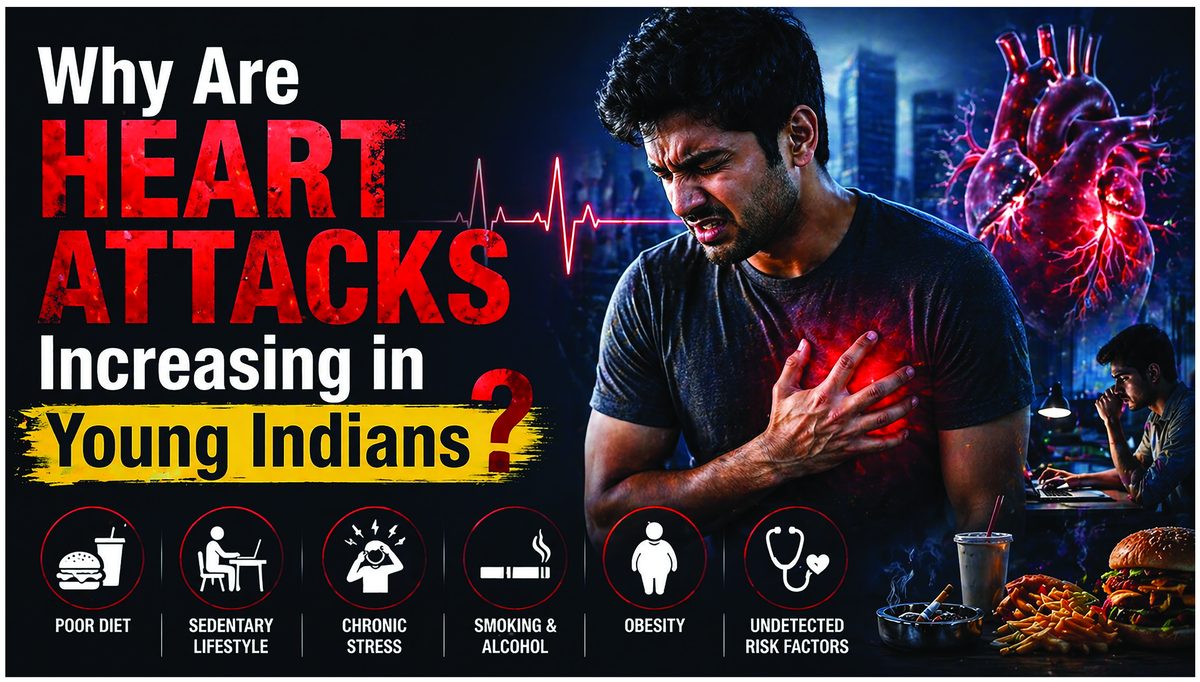
In recent years, India has witnessed an alarming rise in heart attacks among young adults. Conditions once associated with individuals over the age of 50 or 60 are now increasingly affecting men and women between 25 and 40 years. Many are experiencing serious — and sometimes fatal — cardiac events at a much younger age. This shift represents not only a medical concern but also a growing social and economic challenge for the nation.
As lifestyles evolve and risk factors change, this trend raises important questions about the hidden impact of modern living on cardiovascular health.
A. Why Are Young People at Risk?
Heart disease among young individuals is influenced by a combination of genetic, lifestyle, and environmental factors. While some risks, such as family history, cannot be changed, many others are preventable or manageable.
1. Smoking: Smoking remains one of the most significant contributors to early heart disease. It causes vasoconstriction — narrowing of the blood vessels — which restricts blood flow and promotes the buildup of cholesterol and fats along arterial walls. Over time, this leads to plaque formation, which can block blood supply to the heart and trigger a heart attack.
Research shows that smokers have nearly three to four times the risk of heart attacks compared to non-smokers. Importantly, even passive smoking significantly increases cardiovascular risk.
2. Diabetes and Obesity: India is often referred to as the diabetes capital of the world, and the number of young individuals affected is steadily rising. Cases are now being diagnosed as early as 30 years of age. Diabetes damages blood vessels and significantly increases the risk of heart disease. It often coexists with other risk factors such as hypertension and abnormal cholesterol levels.
Obesity, particularly in the form of metabolic syndrome, is another major contributor. This condition includes high blood pressure, elevated blood sugar, abnormal cholesterol levels, and increased body mass index (BMI). A growing number of young adults are affected, making them more vulnerable to heart attacks.
Maintaining a BMI below 24.5 and achieving even a modest 5% reduction in body weight within a few months can significantly reduce risk.
3. High Cholesterol and Genetic Factors: Genetics also play a crucial role in some cases of heart disease. Very high levels of LDL (low-density lipoprotein) cholesterol — especially above 190 mg/dL — may indicate familial hypercholesterolemia, a hereditary condition that greatly increases cardiovascular risk.
If there is a family history of heart disease occurring before the age of 50 along with elevated cholesterol levels, early screening and aggressive management, including medication, become essential.
4. Lifestyle Changes: Modern lifestyles have brought convenience but often at the cost of health.
• Unhealthy diets: Frequent consumption of fast food, processed snacks, and sugary drinks contributes to obesity, high cholesterol, and clogged arteries.
• Sedentary habits: Desk jobs, long screen hours, and limited physical activity reduce cardiovascular fitness and increase risk.
5. Stress and Mental Health: Today’s young generation faces significant psychological stress.
• Long working hours and performance pressure
• Poor sleep due to excessive screen time
Chronic stress leads to elevated levels of cortisol and adrenaline, which increase blood pressure and strain the heart, making individuals more susceptible to cardiac events.
6. Social and Environmental Factors
• Irregular sleep patterns: Night shifts disrupt the body’s natural circadian rhythm.
• Urban lifestyle: Pollution, unhealthy food habits, and chronic fatigue increase risk.
• Lack of preventive care: Many young adults skip routine health check-ups, allowing silent conditions like hypertension and high cholesterol to go undetected.
B. Do Not Ignore These Symptoms
Heart attack symptoms in young people can be misleading and may not follow the classic pattern. The most recognized symptom — severe chest pain — is not always present. Many individuals mistake persistent chest discomfort for acidity or gastric issues.
However, chest pain lasting more than 10 minutes, especially when accompanied by sweating, breathlessness, or pain radiating to the jaw or left arm, should be treated as a medical emergency.
Women, in particular, may experience atypical symptoms. Nearly half do not report classic chest pain. Instead, they may experience fatigue, dizziness, jaw pain, sweating, or shortness of breath. Early recognition of these signs can save lives.
C. Prevention: The Key to Heart Health
Preventing heart disease begins with awareness, regular monitoring, and consistent lifestyle choices. Health experts recommend that individuals above 18 years of age check their blood pressure at least once a year. Ideal levels are below 130/80 mmHg. Cholesterol levels should also be monitored:
Blood sugar control is equally important. An HbA1c level below 5.7% and fasting blood glucose below 100 mg/dL are considered optimal.
D. Key Lifestyle Measures
Regular Physical Activity: Engaging in 30–45 minutes of moderate exercise daily — such as walking, jogging, yoga, or gym workouts — strengthens the heart and improves overall fitness.
Balanced Diet: Eat more fruits, vegetables, whole grains, and lean proteins. Reduce fried, processed, and high-sugar foods. Limit red meat and prefer healthier fats like those found in sunflower and olive oil
Quit Smoking and Limit Alcohol:Smoking is one of the strongest triggers for premature heart attacks. Quitting can significantly reduce risk. Alcohol consumption should be minimal or avoided.
Stress Management: Practices such as yoga, meditation, and breathing exercises help reduce stress — a silent but powerful contributor to heart disease. Adequate sleep (7–8 hours per night) is essential for recovery and heart health.
Regular Health Check-ups: Annual screening for blood pressure, cholesterol, blood sugar, and ECG can help detect problems early and prevent complications.
Maintain Work–Life Balance: Professional success should not come at the cost of health. Taking breaks, spending time with family, and maintaining a balanced routine are essential for long- term well-being.
Understanding Sudden Cardiac Events: It is important to distinguish between heart attacks and other cardiac conditions. Not every collapse is caused by a heart attack, and not all heart attacks lead to cardiac arrest.
Conditions such as hypertrophic cardiomyopathy or dangerous heart rhythm disorders can cause sudden cardiac death, especially during intense physical activity.
Individuals engaging in high-intensity exercise — particularly those above 40 or with risk factors like diabetes, hypertension, or family history — should undergo proper cardiac evaluation. Tests such as ECG and treadmill stress tests can help identify hidden abnormalities.
The rising incidence of heart disease among young Indians is a serious public health concern. While genetic factors cannot be changed, lifestyle choices, early detection, and regular monitoring can significantly reduce risk.
Dr. L. Prashanthi is a Professor and HoD in the Department of Microbiology at the Government Medical College in Sircilla, Telangana. Mobile: 9989660623
M ahima is making headlines with her remarkable success in the pageant world, proudly representing grace, confidence, and cultural pride on prestigious platforms. Born and brought up in Hyderabad, India, to Jaya Raju Polepaka and Saritha Polepaka, she carries her roots with pride as she continues to shine on international stages.
Mahima has completed her Master’s in Data Analytics from Clark University, MA, USA, further showcasing her academic excellence alongside her achievements in pageantry. Her journey reflects a powerful blend of intelligence, ambition, and grace, proving her versatility across both professional and competitive platforms.
Most recently, she earned the title of 3rd Runner-Up at Miss Telugu USA 2026, marking a significant milestone in her journey and bringing immense pride to the Telugu community. Her achievement stands as a testament to her dedication, resilience, and passion for representing her culture with authenticity and grace.
With her elegance, poise, and commanding stage presence, Mahima stood out as a contestant who embodies confidence, determination, and purpose. Her journey at Miss Telugu USA 2026 not only highlighted her beauty but also her ability to inspire, connect, and lead with cultural pride.
Adding to her growing list of accomplishments, Mahima has also been crowned Miss Florida Majestic through the Pure International Pageants organization. This achievement marks a major milestone on an American platform, highlighting her ability to excel in competitive environments while maintaining her individuality and cultural identity.
With her remarkable achievements and unwavering spirit, Mahima continues to shine as a proud ambassador of her culture and a rising global name in the world of pageantry.