India: The Emerging Cancer Capital of the World
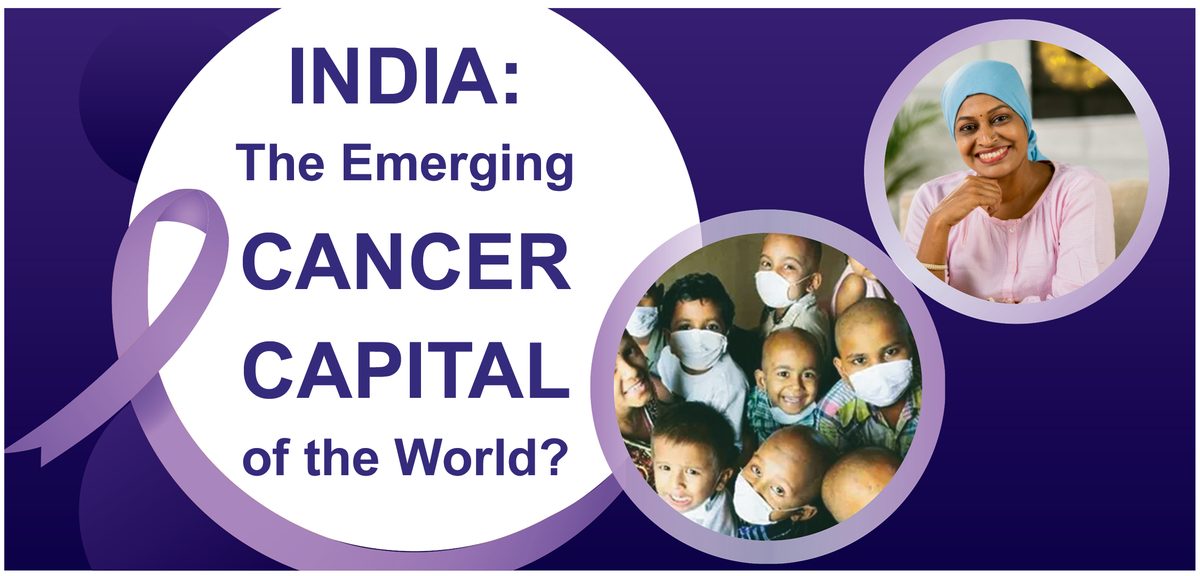
Cancer—a word that evokes fear in every household—yet nearly every family today has a story connected to it: a loved one who battled courageously, a colleague balancing work and treatment, or a friend’s parent fighting silently. But how common is cancer in India today?
A recent report by Apollo Hospitals reveals a worrying decline in India’s health profile, with a steady rise in cancer and other non-communicable diseases (NCDs). Cancer has become a major public health challenge, affecting people across all age groups, with a lifetime risk now estimated at 1 in 9. Amid the growing burden of tuberculosis, diabetes, and cardiovascular diseases, experts warn that without urgent and sustained interventions, India could become the “cancer capital of the world.”
I. Current Status of Cancer in India
Certain cancers account for a significant proportion of India’s cancer burden:
Breast cancer: The most common cancer among women in India, with steadily rising incidence.
Oral cancer: Strongly associated with tobacco chewing, smoking, and betel nut use, and remains one of the most preventable yet prevalent cancers.
Lung cancer: Increasing in incidence due to tobacco use and worsening air pollution.
Cervical cancer: Continues to be a major cause of cancer-related deaths among women, despite being largely preventable through HPV vaccination and regular screening.
Regional Disparities: Cancer prevalence varies significantly across regions. The North-Eastern states report some of the highest cancer rates in the country, particularly cancers of the stomach, oesophagus, and lung. These trends are closely linked to tobacco consumption, alcohol use, smoked or fermented foods, and specific dietary habits. Delhi records some of the highest overall cancer incidence rates among men. Aizawl and Srinagar show some of the highest site-specific cancer rates nationwide .
II. Why Are Cancer Cases Soaring in India?
The number of people suffering from cancer is expected to rise exponentially over the next two decades.
1. Lifestyle Changes: Rapid urbanization and changing lifestyles have significantly contributed to the growing cancer burden:
• Sedentary habits, reduced physical activity, and increasing rates of overweight and obesity, higher consumption of processed foods, refined sugars, and trans fats, which are linked to metabolic disorders and certain cancers.
2. Addictive Substances: Substance use remains one of the strongest modifiable risk factors. Widespread use of smoking, chewing tobacco, and alcohol is directly associated with cancers of the lung, oral cavity, liver, and oesophagus. India is the world’s second-largest consumer of tobacco products, according to the World Health Organization (WHO), amplifying the public health impact
3. Environmental Pollution: Environmental factors are increasingly recognized as major contributors. Air pollution, particularly fine particulate matter (PM2.5), is strongly associated with lung cancer and other respiratory malignancies. Industrial emissions and unsafe occupational exposures further elevate cancer risk among vulnerable populations.
4. Genetic and Demographic Factors: Rising life expectancy means a larger proportion of the population is living into older age groups, where cancer risk increases naturally. Certain inherited genetic mutations increase susceptibility, and limited access to genetic screening often delays early detection and preventive intervention
III. Challenges in Cancer Prevention and Care in India
1. Late Detection: A significant proportion of patients seek medical attention only at advanced stages of the disease, substantially reducing survival rates and limiting treatment options.
2. Insufficient Infrastructure: India has approximately 2,000 oncologists catering to an estimated 10 million cancer patients, resulting in a disproportionately high doctor–patient ratio. There is a persistent shortage of radiotherapy machines, trained oncology nurses, and specialized cancer treatment centres, particularly in rural and semi-urban regions.
3. High Cost of Treatment: Cancer care—including hospitalization, surgery, chemotherapy, and targeted therapies—remains unaffordable for nearly 80% of patients. High out-of-pocket expenditure (OOPE) pushes millions of families into financial distress or poverty each year.
4. Low Public Awareness: Social stigma and limited awareness about early symptoms and preventive health check-ups contribute to delayed diagnosis. Many individuals initially rely on traditional remedies or postpone medical consultation until symptoms become severe.
5. Data Gaps and Surveillance Limitations: Inadequate cancer registry coverage and underreporting lead to an underestimation of the true disease burden. The Parliamentary Committee has recommended declaring cancer a notifiable disease to strengthen surveillance, reporting, and policy planning.
IV. What Is the Government Doing to Address the Cancer Burden?
India is intensifying its cancer control and prevention efforts through multiple strategic initiatives:
1. Nationwide Screening Initiatives: Individuals above 30 years of age are encouraged to undergo regular screening for common cancers such as breast, cervical, and oral cancers to promote early detection and improve survival outcomes.
2. Financial Protection Schemes:
Ayushman Bharat – Pradhan Mantri Jan Arogya Yojana (PM-JAY) provides health insurance coverage of up to Rs. 5 lakh per family per year for secondary and tertiary care hospitalization, including cancer treatment.
3. Affordable Medicines: Pradhan Mantri Bhartiya Janaushadhi Pariyojana (Jan Aushadhi Kendras) and AMRIT (Affordable Medicines and Reliable Implants for Treatment) pharmacies aim to reduce the cost of essential medicines, including anti-cancer drugs.
4. Strengthening Infrastructure: The government plans to establish 200 district-level cancer day-care centres by 2026 to improve accessibility to chemotherapy and other essential services. Under the Pradhan Mantri Swasthya Suraksha Yojana (PMSSY), tertiary healthcare infrastructure is being expanded through the establishment of AIIMS-like institutions and the upgradation of existing medical colleges.
5. HPV Vaccination Rollout: The government has announced plans to include the Human Papillomavirus (HPV) vaccine for girls aged 9–14 years under the Universal Immunisation Programme (UIP), a crucial step toward reducing the incidence of cervical cancer.
Despite these initiatives, researchers emphasize that prevention must remain the central focus. Strengthening awareness, promoting healthy lifestyles, reducing tobacco and alcohol use, and expanding vaccination and screening coverage are essential to effectively curb the rising cancer burden.
V. What Can Individuals Do to Lower Cancer Risk?
Lifestyle modification remains the first and most effective line of defence against cancer. Medical experts recommend the following measures to signifi cantly reduce individual risk:
1. Eliminate Tobacco Use: Quitting smoking and avoiding all forms of tobacco—including chewing tobacco—is the single most important step in reducing cancer risk.
2. Stay Physically Active: Engage in regular physical activity. Even moderate exercise, such as daily brisk walking, cycling, or taking the stairs, can help maintain a healthy weight and lower cancer risk.
3. Adopt a Healthier Diet: Reduce the intake of fried, processed, and high-sugar foods. Increase consumption of fresh fruits, vegetables, whole grains, and fiber-rich foods to support overall health and immunity.
4. Undergo Regular Screening: Women should undergo regular breast and cervical cancer screening as recommended. Men, especially those at risk, should consider oral examinations and lung cancer screening where appropriate. Early detection significantly improves treatment outcomes and survival rates
Dr. L. Prashanthi is a Professor and HoD in the Department of Microbiology at the Government Medical College in Sircilla, Telangana.
““ Do you see someone skilled in their work? They will serve before kings .” — Proverbs 22:29”
This verse reminds us that excellence and diligence are never unnoticed by God. When you commit yourself to learning, growing, and working with integrity, God Himself elevates you in His perfect time.
Serving “before kings” is not just about standing before rulers—it represents positions of honor, influence, and impact. It is God’s promise that those who remain faithful in developing their skills will be lifted to greater opportunities beyond what they imagined.
At Kashron Quest OPC Private Limited, we believe every individual is created by God with a unique purpose and potential. In today’s competitive world, delays and rejections can feel discouraging—but they are often God’s preparation. Every closed door is not a denial, but a divine redirection.
Our vision is not just to provide jobs, but to transform lives—by connecting the right talent with the right opportunities and equipping individuals through training, guidance, and encouragement to step confidently into their future.
We are committed to walking alongside you—helping you discover your God-given strengths, sharpen your skills, and grow into the person you are called to be.
If you are looking for job opportunities, please feel free to write to us and follow our LinkedIn page.
Stay faithful. Your season of elevation is coming.
Serving Before Kings: A Call to Excellence and Faith
Best Wishes, Monica Moses Director – Kashron Quest Pvt Ltd