Hantavirus
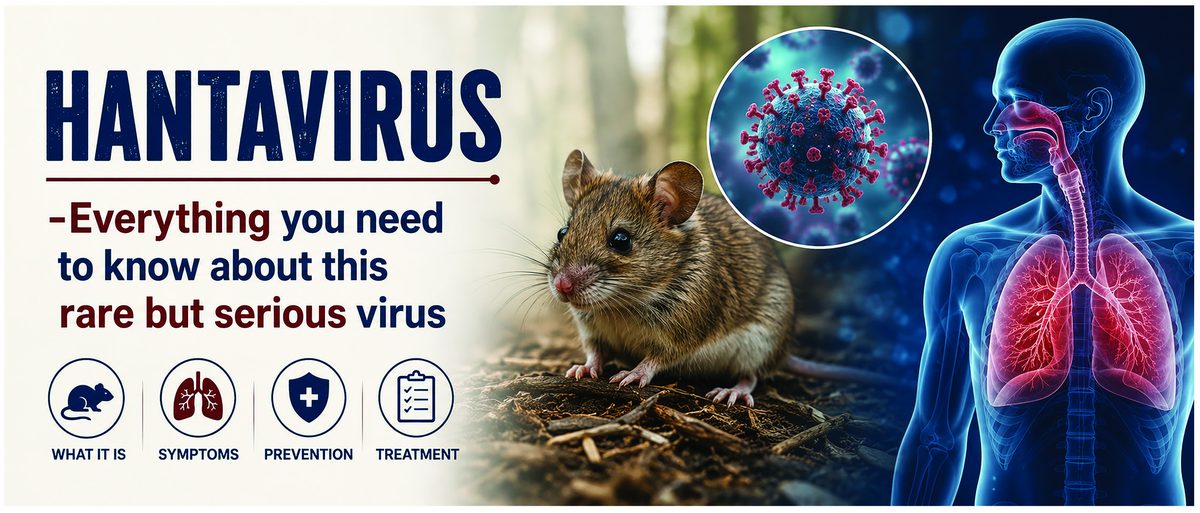
Hantavirus -Everything you need to know about this rare but serious virus
India’s devastating second wave of COVID-19 reached its peak in May 2021, overwhelming hospitals, crematoria, and healthcare systems across a nation of 1.4 billion people. Officially, the country reported approximately 400,000 new infections and nearly 5,000 deaths per day at the height of the crisis. However, subsequent analyses have suggested that the actual burden of infections and deaths was considerably higher.
Five years later, those memories remain a powerful reminder of a question that continues to concern public-health experts worldwide: are we better prepared for the next pandemic?
That question is now being tested in real time. In recent months, two significant viral outbreaks have emerged. A cluster of Hantavirus infections aboard the Antarctic cruise ship MV Hondius resulted in multiple fatalities and prompted an international public-health response. At the same time, Ebola has re-emerged in Central Africa, causing more than 700 infections and over 150 deaths by 13 June, with transmission continuing across several affected regions.
Although neither outbreak has approached the scale of COVID-19, both provide valuable insights into the current state of global pandemic preparedness. The contrast between them is particularly revealing. Ebola is a well-characterized pathogen. Decades of research have improved our understanding of its epidemiology, strengthened surveillance systems, facilitated the development of vaccines and therapeutics, and established mechanisms for rapid international response. Hantavirus, in contrast, remains a relatively neglected zoonotic threat that receives limited attention outside specialist and research communities.
What is Hantavirus?
Hantaviruses are a group of viruses primarily carried by rodents. The virus was first identified in the region of the Hantaan River in South Korea, from which it derives its name. Various species of mice and other rodents serve as natural reservoirs, shedding the virus in their saliva, urine, and feces. Humans usually become infected through environmental exposure rather than direct contact with rodents. Infection most commonly occurs when virus-containing particles from dried rodent excreta become aerosolized and are inhaled. Less frequently, transmission may occur through rodent bites or contact with contaminated surfaces.
Hantavirus disease was first recognized in the United States in 1993 and has since been reported across much of North and South America, Europe, and Asia. Although uncommon, hantavirus infections can cause severe and potentially fatal disease affecting the lungs, kidneys, and cardiovascular system.
Clinical Manifestations
The early symptoms of hantavirus infection are often nonspecific and resemble those of many viral illnesses. Common initial manifestations include:
• Fever • Fatigue • Muscle aches, particularly involving the thighs, hips, back, and shoulders
Approximately half of infected individuals also experience:
• Headache • Dizziness • Chills • Nausea and vomiting • Diarrhoea • Abdominal pain
Typically, four to ten days after the onset of symptoms, the disease may progress to a more severe phase characterized by:
• Persistent cough • Shortness of breath • Rapid breathing • Accumulation of fluid in the lungs
This progression can be rapid and may require urgent medical intervention.
How is Hantavirus Transmitted?
Most hantavirus infections occur through exposure to infected rodents or environments contaminated by rodent excreta. Human-to-human transmission is exceptionally rare.
However, recent investigations into a hantavirus outbreak aboard the Antarctic cruise ship MV Hondius have raised concerns about limited person-to-person transmission. Seven individuals developed confirmed or suspected infections, resulting in three deaths. Preliminary evidence suggests that the outbreak may involve the Andes virus, a rare hantavirus strain known to occasionally spread between humans.
Despite such events, hantavirus infec tions remain rare, and the risk to the public is considered very low.
How Serious is Hantavirus Infection?
Hantavirus infection can be life-threatening. The two major clinical syndromes associated with the virus are:
Predominantly seen in the Americas, HPS is characterized by severe respiratory failure resulting from fluid accumulation in the lungs. The condition can deteriorate rapidly and frequently requires intensive care support.
Haemorrhagic Fever with Renal Syndrome (HFRS)
More common in Europe and Asia, HFRS primarily affects the kidneys and may be associated with bleeding manifestations, hypotension, and acute kidney injury.
Data from the U.S. Centers for Disease Control and Prevention indicate that approximately 38% of patients who develop Hantavirus Pulmonary Syndrome may not survive despite modern medical care. Although this mortality rate is substantial, it is important to recognize that severe disease remains uncommon because overall infection rates are relatively low.
Treatment of Hantavirus Infection
Currently, there is no universally effective antiviral treatment for hantavirus infection.
The antiviral drug ribavirin has shown benefit in certain forms of HFRS but has not demonstrated consistent efficacy in Hantavirus Pulmonary Syndrome.
Management is therefore largely supportive and may include:
• Supplemental oxygen therapy • Intravenous fluid management • Intensive care monitoring • Mechanical ventilation in severe respiratory failure • Renal replacement therapy (dialysis) when kidney failure develops
Early recognition and prompt medical care significantly improve the likelihood of a favourable outcome.
Prevention
Because many infected individuals report no obvious exposure to rodents, preventive measures are essential, particularly in endemic regions. The cornerstone of prevention is effective rodent control and minimizing contact with rodent-contaminated environ ments. Recommended measures include:
• Sealing cracks, holes, and entry points in homes and outbuildings
• Eliminating food sources accessible to rodents
• Using traps to control rodent populations
• Maintaining cleanliness in homes, workplaces, and campsites
• Exercising caution when cleaning areas where rodents may have nested
These simple measures can substantially reduce the risk of infection.
A Mouse Story: The Discovery of Hantavirus Pulmonary Syndrome
The modern story of hantavirus began in May 1993, when an unexplained and often fatal respiratory illness emerged in the Four Corners region of the United States, where Arizona, New Mexico, Colorado, and Utah meet. The first recognized case involved a young Navajo man who was admitted to a New Mexico hospital with severe shortness of breath and died shortly thereafter. During the investigation, healthcare providers discovered that his fiancée had died days earlier after experiencing similar symptoms.
This observation prompted a broader public-health investigation. Within hours, authorities identified five additional cases involving previously healthy young adults who had died from acute respiratory failure. Extensive laboratory testing failed to identify any known infectious agent. Consequently, experts from the CDC’s Special Pathogens Branch joined investigators from state health departments, the Indian Health Service, the Navajo Nation, and the University of New Mexico to determine the cause of the outbreak.
Using advanced molecular diagnostic techniques, CDC scientists identified a novel hantavirus associated with the outbreak. Since all known hantaviruses were transmitted by rodents, researchers initiated an extensive rodent-trapping program throughout the affected region. The investigation revealed that the deer mouse (Peromyscus maniculatus) was the primary reservoir of the newly identified virus. Approximately 30% of captured deer mice showed evidence of infection. Because deer mice commonly inhabit barns, sheds, woodpiles, and rural homes, they were identified as the principal source of human infection.
Further ecological studies suggested that prolonged drought followed by unusually heavy rainfall had dramatically increased the rodent population. This surge brought rodents into closer contact with humans, creating conditions that facilitated viral transmission. The 1993 Four Corners outbreak not only led to the discovery of Hantavirus Pulmonary Syndrome but also highlighted the critical relationship between environmental change, wildlife ecology, and emerging infectious diseases. It remains one of the most important examples of how zoonotic pathogens can emerge unexpectedly and threaten human health.
How Worried Should Indians Be About Hantavirus?
For India, the overall risk remains low because there have been no major hantavirus outbreaks reported in the country so far. However, experts warn that poor sanitation, rodent infestations, flooding, and overcrowded living conditions can increase the chances of exposure, especially during monsoon months and in rural or poorly ventilated spaces.”
Awareness Matters
Doctors agree that hantavirus is serious but rare. Indians do not need to fear a large-scale outbreak, but basic awareness is important. Simple hygiene measures, proper sanitation, and safe cleaning habits are enough to keep the risk very low for the public.
Dr. L. Prashanthi is a Professor and HoD in the Department of Microbiology at the Government Medical College in Sircilla, Telangana. Mobile: 9989660623