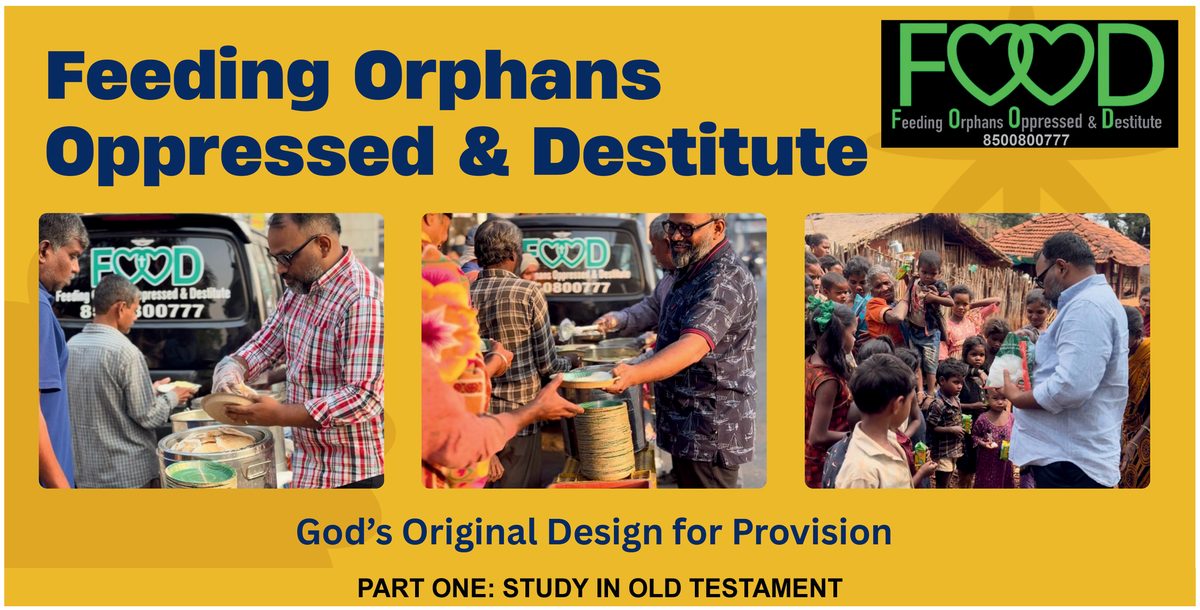
Food: Feeding Orphans, Oppressed and Destitutes
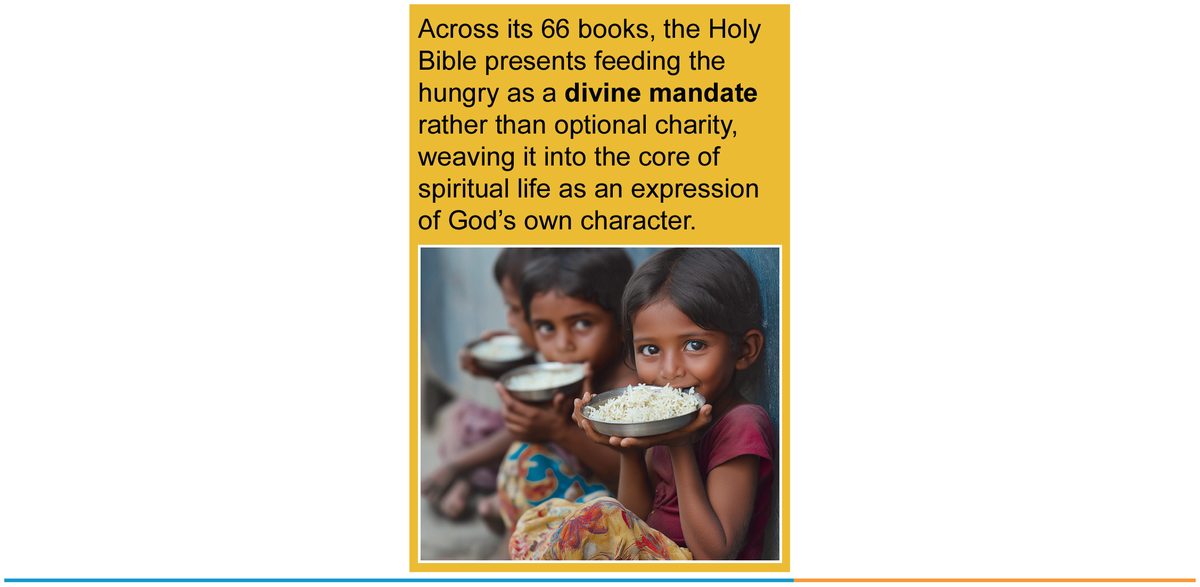
Across its 66 books, the HOLY BIBLE presents feeding the hungry as a DIVINE MANDATE rather than optional charity, weaving it into the core of spiritual life as an expression of God’s own character.
Old Testament: Institutional and Individual Responsibility.
The Hebrew Scriptures establish a system of communal and individual duty to provide for the vulnerable:
• Harvest Laws (Gleaning): Farmers were commanded not to harvest to the very edges of their fields but to leave “gleanings” for the poor and foreigners.
• Systemic Care: Provisions like the jubilee (every 50 years) were designed to cancel debts and prevent generational poverty.
• Prophetic Warnings: Prophets like Isaiah and Amos condemned religious rituals performed by those who simultaneously ignored the hungry, declaring that true worship requires sharing food with the needy.
• Wisdom Literature: Proverbs states that being kind to the poor is like “lending to the Lord,” who will repay the deed.
In the Book of Genesis feeding the hungry is portrayed through foundational acts of hospitality and divine providence during global crises. The narrative establishes that providing food is both a moral duty and a means through which God preserves life
In the Book of Exodus feeding the hungry is cantered on divine provision for a nation in crisis and the legal codification of care for the vulnerable.
In Leviticus, feeding the hungry shifts from miraculous stories to mandatory social laws. God transitions from providing the food (as He did with Manna in Exodus) to commanding the Israelites to share the food they grow (Lev 19:9-10).
In the Book of Numbers, the theme of feeding the hungry shifts from the grand legal codes of Leviticus back to the gritty reality of a nation on the move. It highlights the struggle of dependence on God and the logistics of communal care.
Deuteronomy commands the community to “open wide your hand” to the poor and mandates tithes for the needy every three years (Deut 14:28-29, 15:11).
In the Book of Joshua, the theme of feeding the hungry shifts from miraculous “bread from heaven” to the responsibility of the land. It marks the transition from being refugees to becoming providers. The most significant “food” moment occurs in Joshua 5:10–12. For 40 years, the Israelites were “hungry” wanderers fed directly by God.
In the Book of Judges, the theme of feeding the hungry is often presented through the lens of failed hospitality and the consequences of disobedience. As the nation of Israel spiralled into moral chaos, their willingness to provide for others became a key indicator of their spiritual decay.
In the Book of Ruth, the story begins with a “famine in the land,” forcing Elimelek and Naomi to leave Bethlehem (which ironically means “House of Bread”) to find food in Moab. This sets the stage: hunger can displace even the most faithful, and the lack of food is a sign of national distress.
In 1 and 2 Samuel, feeding the hungry moves from the formal laws of the field to the high-stakes world of kings, soldiers, and fugitives. In these books, providing food is a test of character and a tool of diplomacy.
In 1 and 2 Kings, feeding the hungry moves from human charity to supernatural intervention. During times of drought and war, God uses the prophets Elijah and Elisha to show that His provision is not limited by nature or economics.
In the Books of Chronicles feeding the hungry is presented as a measure of a leader’s faithfulness and the health of the nation. David’s National Feast (Chapter 16): After bringing the Ark of the Covenant to Jerusalem, King David didn’t just perform a ceremony; he provided a massive, inclusive meal. He distributed to every man and woman in Israel a loaf of bread, a portion of meat, and a raisin cake. This showed that in a kingdom cantered on God, no one— regardless of status—should go hungry during a celebration.
In the Book of Ezra as the exiles returned to Jerusalem, Ezra oversaw the re-establishment of the sacrificial system, which was the primary “food bank” for the landless Levites.
In the Book of Nehemiah, feeding the hungry moves from a “charitable act” to a matter of social justice and political integrity. While the people were busy rebuilding the walls of Jerusalem, a massive internal crisis of hunger and debt threatened to destroy the community from within.
In the Book of Esther, feeding the hungry is expressed through the reversal of a death sentence and the establishment of a permanent tradition of charity.
In the Book of Job, feeding the hungry is the ultimate benchmark of personal integrity and righteousness. Because Job is a “wisdom” book, it moves away from national laws and focuses on the conscience of the individual.
In the Book of Psalms, feeding the hungry is no longer just a law or a story— it is a hymn of God’s character. The Psalms portray God as the “Ultimate
Host” and command His people to mirror His generosity. In Proverbs, feeding the hungry moves from a religious ritual to a test of wisdom and character. It teaches that how you treat a hungry person reveals whether you are “wise” (aligned with God) or a “fool” (aligned with yourself).
In Ecclesiastes, the tone shifts from the proactive laws of Proverbs to a more philosophical reflection on generosity in an uncertain world. And since we cannot control the future, the only wise move is to be radically open-handed with our food and resources.
In the Song of Solomon, the concept of “feeding” shifts from a social duty to a beautiful metaphor for love, intimacy, and mutual satisfaction. While it doesn’t address literal poverty, it uses the language of food to describe how humans “nourish” one another’s souls and bodies.
In the Book of Isaiah, feeding the hungry is the ultimate test of religious authenticity. Isaiah argues that God is unimpressed by religious rituals if the person performing them ignores the starving person at their door. In the Book of Jeremiah, feeding the hungry is presented through the lens of lament and judgment. As Jerusalem faced a brutal Babylonian siege, the physical hunger of the people became a tragic symbol of their spiritual starvation and broken covenant with God.
In the Book of Lamentations, feeding the hungry is portrayed through the lens of utter horror and social collapse.
As the Prophet Jeremiah weeps over the ruins of Jerusalem, the most recurring image of the city’s agony is the starvation of its children.
In Ezekiel, feeding the hungry is presented as a strict legal requirement for righteousness and a primary reason for the judgment of nations. Ezekiel makes it clear that “spirituality” without “bread-sharing” is a lie.
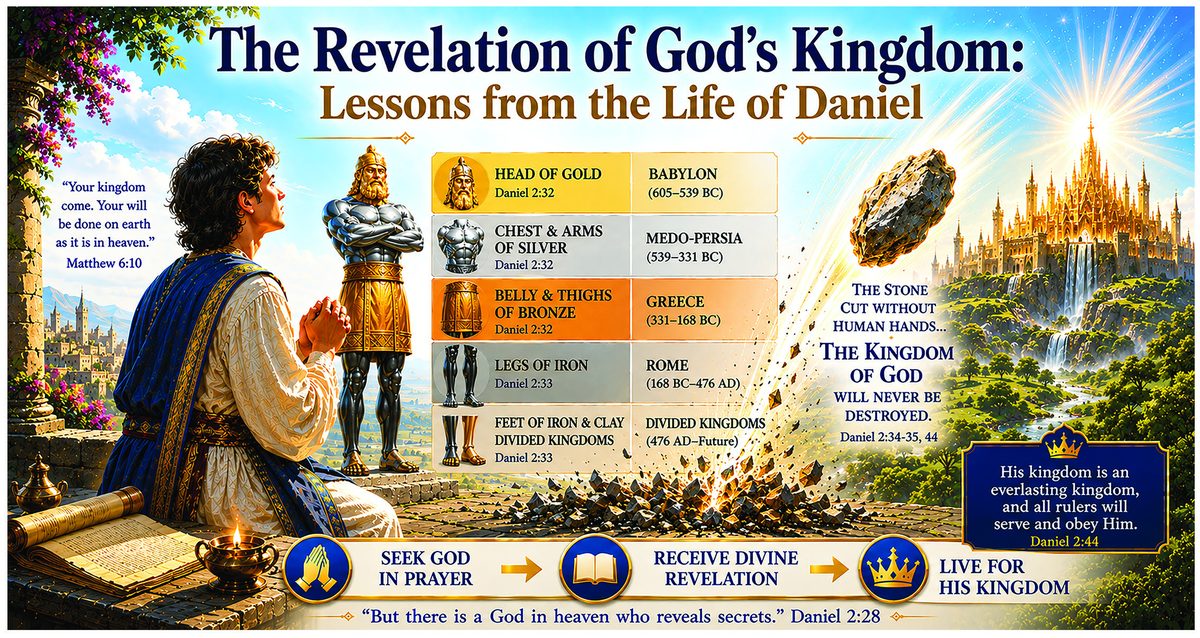
In the Book of Daniel, the theme of feeding moves away from charity and into the realm of spiritual discipline and intellectual clarity. It shows that what we eat—and what we choose not to eat—defines our allegiance to God.
In the Book of Hosea, the theme of feeding shifts from a physical act to a powerful metaphor for spiritual infidelity. God is portrayed as the ultimate provider who fed His people in the wilderness, only to be forgotten once their stomachs were full.
In the Book of Joel, feeding the hungry is addressed through the lens of a national ecological disaster. A massive locust plague has devoured every green thing, creating a famine so severe that even the animals “groan” for food.
In the Book of Amos, feeding the hungry is the central theme of social justice. Amos was a shepherd and a “dresser of sycamore figs,” so he understood the hard labour of food production. He delivers a blistering critique of a society that is “religiously busy” but “economically cruel.
The Book of Obadiah delivers a sting ing rebuke to the nation of Edom for how they treated their “brother,” Israel (Jacob), during a time of national disaster and hunger.
In the Book of Jonah, feeding the hungry is addressed through its opposite: intentional, national hunger (fasting) as a desperate plea for mercy. It shows that even a “wicked” city can find God’s favour by setting aside their food to humble their hearts.
In the Book of Micah, feeding the hungry is a matter of justice over ritual. Micah serves as a whistleblower against “cannibalistic” capitalism, where the wealthy elite didn’t just ignore the hungry—they actively “devoured” them to increase their own estates.
In the Book of Nahum, feeding the hungry is addressed through the lens of divine retribution against a “predatory” nation. Unlike other books that focus on Israel’s internal charity, Nahum is a prophecy against Nineveh (the capital of Assyria), which had grown wealthy and “well-fed” by starving and plundering other nations.
In the Book of Habakkuk, the theme of feeding the hungry is presented as a profound test of faith during a national collapse. Habakkuk wrestles with the “hunger of injustice”—where the wicked swallow up the righteous—and concludes with one of the most famous declarations of spiritual satisfaction in the face of physical starvation.
In the Book of Zephaniah, feeding the hungry is portrayed as a divine rescue mission. God promises to “starve” the prideful and the idols of the earth to make room for a “meek and humble” people who find their physical and spiritual sustenance in Him alone.
In the Book of Haggai, feeding the hungry is presented through the lens of economic futility. The people returned from exile and focused on building their own “panelled houses” while leaving God’s Temple in ruins. As a result, God “starved” the land to get their attention.
In the Book of Zechariah, feeding the hungry is presented as a sign of restored peace and spiritual transformation. After the hardship of the exile, Zechariah envisions a future where food is no longer a source of anxiety, but a celebration of God’s presence.
In the Book of Malachi, the final book of the Old Testament, feeding the hungry is addressed as a matter of spiritual honesty and communal contract. God challenges the people to stop “robbing” Him by withholding the resources meant to feed the vulnerable.
Rev. Dr. Samuel Karan First Servant: Grace in Faith Temple FOOD – Feeding Orphans, Oppressed, and Destitute
MOBILE: 85008 00777